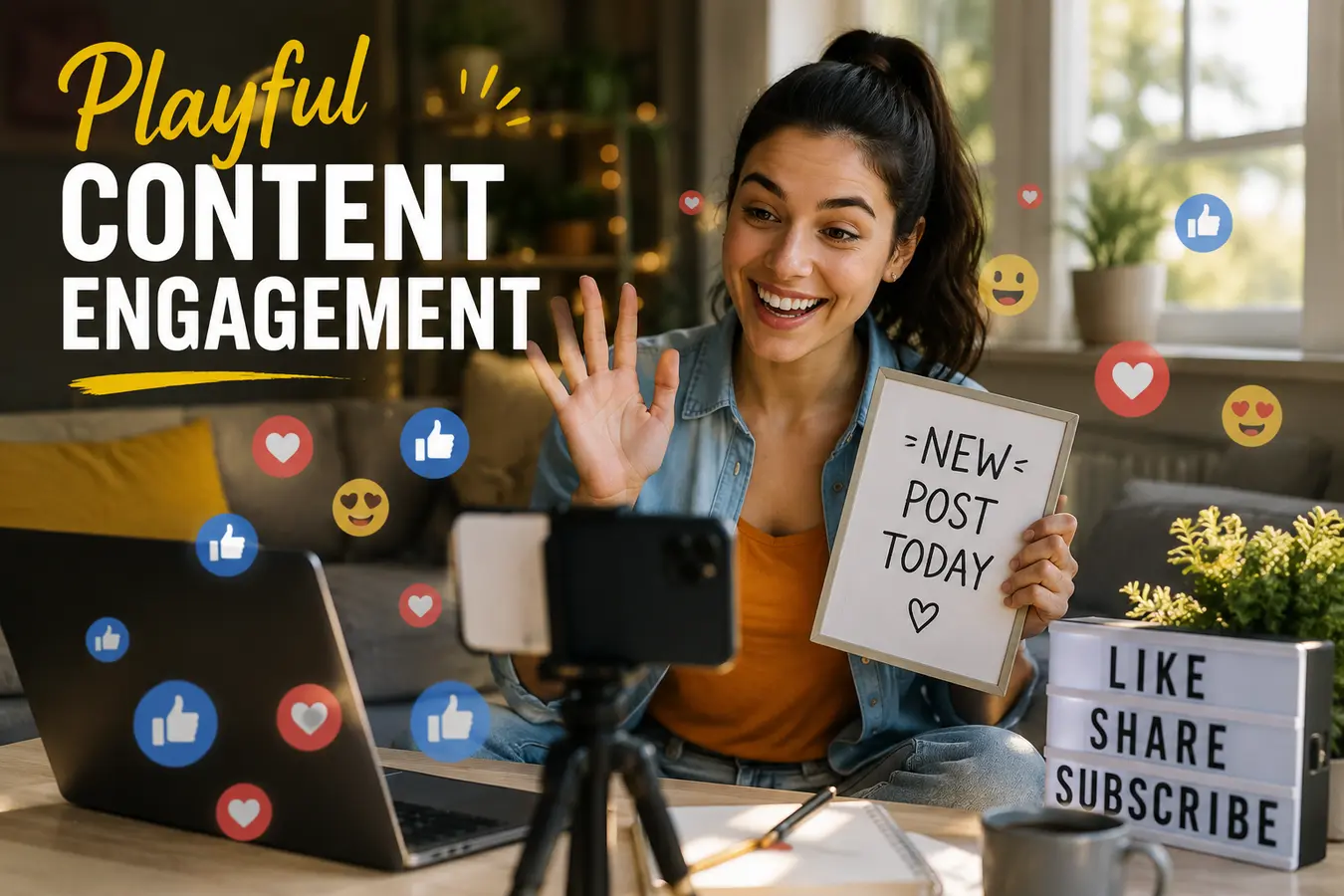
Playful content engagement is changing the way brands, creators, and communities connect online. People naturally respond to fun, interactive, and emotionally uplifting content. Whether it is quizzes, memes, games, polls, or humorous storytelling, playful content helps audiences feel more connected and valued.
This type of engagement can include quizzes, polls, memes, games, humor, storytelling, or interactive social posts. It makes audiences feel involved instead of simply being sold to. Brands use playful content to increase clicks, shares, comments, and trust.
Many users respond emotionally to playful experiences because they feel human and authentic. When done correctly, playful engagement improves customer loyalty and keeps people returning for more. It also helps brands stand out in crowded digital spaces.
In this guide, you’ll discover what playful content engagement means, why it matters, and how to use it effectively.
⭐ Quick Answer
Playful content engagement means using fun, interactive, and emotionally engaging content to connect with audiences online. It often increases attention, shares, comments, and trust while making content feel more memorable and enjoyable.
What Does Playful Content Engagement Mean?
Playful content engagement refers to content designed to entertain, involve, or emotionally connect with users while encouraging interaction.
This type of content often includes:
- Interactive quizzes
- Polls and surveys
- Funny social media posts
- Memes and GIFs
- Gamified experiences
- Lighthearted storytelling
- Challenges and contests
- Creative videos
Common Symbolism Behind Playful Engagement
Playful content usually represents:
- Human connection
- Creativity
- Emotional comfort
- Curiosity
- Trust-building
- Community interaction
Emotional Meaning
People engage more when content feels:
- Relaxing
- Funny
- Personal
- Relatable
- Rewarding
- Easy to understand
🌟 Spiritual Meaning of Playful Content Engagement
From a symbolic perspective, playful communication reflects positive energy and openness. In many cultures, playfulness is linked with joy, freedom, and emotional healing.
Spiritually, playful engagement may symbolize:
- Authentic self-expression
- Emotional balance
- Creative energy
- Inner confidence
- Social harmony
Some people believe joyful interaction creates stronger emotional vibrations between communities. However, interpretations vary depending on personal beliefs and experiences.
🧠 Psychological Interpretation
Psychologically, playful content activates emotional responses that increase attention and memory retention. Human brains naturally respond to novelty, humor, and rewards.
Why People React to Playful Content
Playful engagement can:
- Reduce stress
- Improve mood
- Trigger curiosity
- Increase dopamine responses
- Encourage social interaction
Interactive content also helps users feel seen and involved. This creates a stronger emotional relationship with a brand or creator.
The Subconscious Connection
People often remember experiences that make them feel:
- Happy
- Surprised
- Included
- Rewarded
- Emotionally connected
That is why playful campaigns often perform better than purely promotional content.
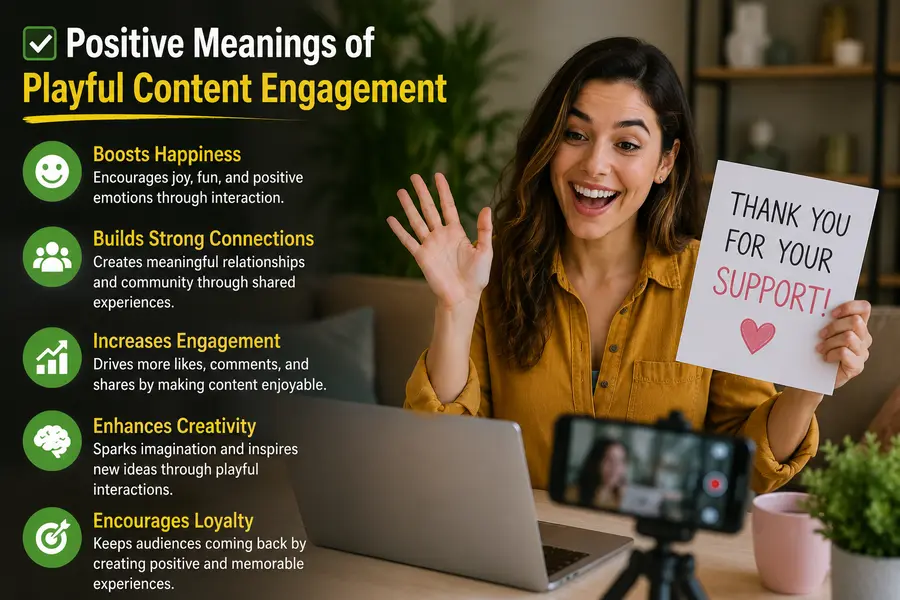
✅ Positive Meanings of Playful Content Engagement
Playful content can create many positive outcomes.
Positive Meanings
- Builds stronger audience trust
- Encourages repeat engagement
- Improves brand personality
- Makes learning easier
- Creates emotional loyalty
- Increases social sharing
- Helps reduce content fatigue
- Encourages community participation
⚠️ Negative Meanings of Playful Content Engagement
Playfulness can also create problems if overused or poorly executed.
Negative Meanings
- Content may seem unprofessional
- Humor can offend audiences
- Overuse may reduce credibility
- Users may ignore the main message
- Forced trends can feel fake
- Too much gamification may feel manipulative
Balance is important for long-term trust.
Common Playful Content Engagement Scenarios
🎯 Interactive Quizzes
Quizzes increase curiosity and encourage users to spend more time on a page. They also improve social sharing.
😂 Meme-Based Marketing
Memes create fast emotional reactions and improve relatability, especially among younger audiences.
📊 Polls and Voting Posts
Polls make users feel included in conversations. They are simple but highly engaging.
🎮 Gamified Experiences
Reward systems, points, and challenges motivate users to return and participate more often.
🎥 Short Funny Videos
Humorous videos often increase watch time and emotional connection with viewers.
🧩 Storytelling Challenges
Creative challenges encourage user-generated content and build stronger online communities.

📖 Biblical / Cultural Meaning
Many cultures value joy, storytelling, humor, and community interaction as healthy parts of human connection.
In general spiritual and cultural traditions:
- Joy is often associated with emotional wellness
- Community interaction reflects unity
- Creativity symbolizes personal expression
There are no direct religious teachings specifically about “playful content engagement.” Interpretations should remain balanced and practical rather than supernatural.
❓ Is Playful Content Engagement Good or Bad?
Playful content engagement is neither fully good nor bad. Its impact depends on how it is used.
It Is Usually Helpful When:
- Content feels authentic
- Humor respects audiences
- Interaction provides value
- Engagement feels natural
It Can Become Harmful When:
- Brands use manipulation tactics
- Humor targets sensitive issues
- Content spreads misinformation
- Engagement becomes addictive
Healthy engagement focuses on connection rather than exploitation.
💡 What Should You Do After Using Playful Content?
If you want better engagement, focus on authenticity and emotional value.
Helpful Steps
- Study your audience carefully
- Use humor naturally
- Keep interactions simple
- Avoid forced trends
- Track engagement metrics
- Encourage community feedback
- Balance fun with useful information
You can also keep a content journal to understand which playful strategies perform best.
🚫 Common Mistakes
Many creators misunderstand playful engagement.
Common Errors
- Trying too hard to be funny
- Ignoring audience emotions
- Copying trends without strategy
- Using clickbait tactics
- Overloading users with gimmicks
- Forgetting the core message
Successful playful content still delivers value and trust.
📊 Types of Playful Content Engagement
| Content Type | Main Benefit | Best Platform |
|---|---|---|
| Quizzes | High interaction | Websites |
| Memes | Fast sharing | Instagram, X |
| Polls | Audience feedback | LinkedIn, Instagram |
| Gamification | Repeat visits | Apps, websites |
| Short videos | Emotional connection | TikTok, YouTube |
| Challenges | Community growth | Social media |
🏆 Final Verdict
Playful content engagement helps brands and creators build emotional connections through fun and interaction. It works because people naturally respond to enjoyable experiences.
The strongest playful content feels:
- Authentic
- Helpful
- Human
- Emotionally engaging
Still, engagement strategies should remain balanced and respectful. What works for one audience may not work for another. Understanding your audience is always the key to long-term success.
❤️ Conclusion
Playful content engagement is more than entertainment. It creates emotional moments that people remember. In a crowded digital world, those moments matter.
When content feels human, audiences respond with trust, attention, and loyalty. Small playful touches can transform ordinary content into meaningful experiences.
Use creativity wisely, stay authentic, and focus on genuine connection over viral trends.
❓ FAQS
Is playful content engagement good or bad?
It is generally positive when used ethically and authentically. Poor execution can damage trust.
Why does playful content increase engagement?
People naturally respond to humor, curiosity, and emotional interaction. These elements improve attention and sharing.
What is the spiritual meaning of playful engagement?
Some people associate it with joy, creativity, and emotional openness. Interpretations vary by belief system.
Can playful content improve brand loyalty?
Yes. Interactive and emotionally engaging content often strengthens audience relationships over time.
Does playful content engagement increase conversions?
It can improve conversions by increasing trust, attention, and emotional connection with users.

Eithne White is a dream meaning writer who explains common dreams, spiritual symbols, and subconscious signs in simple language. She creates easy-to-understand guides about dream interpretations, hidden meanings, and emotional symbolism. Her writing helps readers explore the meaning behind dreams in a calm and beginner-friendly way. At Dreamaurra, Eithne White shares insightful content about dreams, spirituality, and symbolic meanings.